
Mindful Transitions Between Tasks: How to Approach Activities With Intention
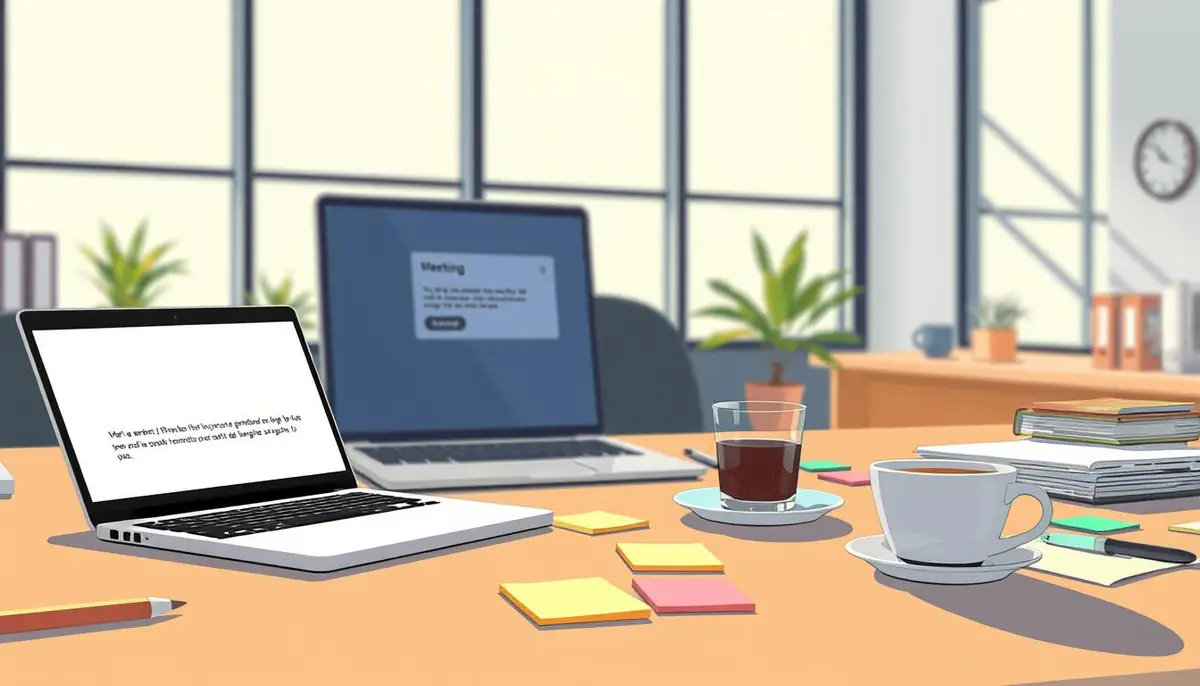
After closing her laptop on an unfinished email, Maya sees a meeting reminder and reaches for her notes. Mindful transitions between tasks can make that kind of change feel less abrupt.
A busy daily routine often leaves little space between one demand and the next. The email may still need an answer, while the meeting needs her attention now. That unfinished work can add mental clutter and stress before the next activity even begins.
A transition does not require a long break or a perfectly clear mind. A small, repeatable action can help someone notice the change and choose how to enter the next task. It need not become a complicated mindfulness routine.
Even a brief pause can give the next activity a more deliberate start. It helps to understand why simply switching activities can feel difficult, even when the schedule makes the change look easy.
Why Do Task Changes Feel More Stressful Than They Look?
An activity change can bring mental demands beyond the time it takes to move. Attention residue is the lingering mental pull of a previous activity after someone has moved on to another one.
A person may leave a spreadsheet, enter a meeting, and still wonder whether a total was correct. The new task is in front of them, but part of their mind keeps circling the old one. The clock counts the switch as one minute; attention may take longer to catch up.
Unfinished details can follow along
Small open questions can be hard to set aside. Someone might be waiting for a reply, unsure which file holds the latest draft, or replaying a tense exchange. Each loose end asks for a bit of attention.
Emotional carryover can matter, too. A frustrating call may leave a person feeling tense as they begin a task that needs patience. That feeling does not mean they cannot do the work, but it can make the start feel heavier.
Unclear boundaries add mental clutter
Task boundaries are easier to cross when a person knows where one activity ends and the next begins. Without a clear stopping point, they may keep checking the old task while trying to start the new one.
A pause can help without erasing every thought. The goal is not to force a blank mind; it is to notice what remains and decide where attention belongs now.
A deliberate transition gives attention a clearer boundary. That simple change can make the move feel less like a scramble and more like a choice.
How Can Mindful Transitions Between Tasks Reduce Friction?
After finishing a report, a worker may keep mentally editing it as a call begins. A brief, intentional changeover can help someone leave the report for now and give the call a clear first step.
They can name the incoming activity: “The call starts now.” Then they can identify one first move, such as opening the agenda or greeting the other person. Naming the next task makes it less tempting to keep negotiating with the old one.
Mindful transitions between tasks do not promise instant, perfect focus. They make the change visible, so a person can notice a wandering thought and return to the work in front of them.
For realistic planning, the reset needs a clear endpoint. A pause that ends when the person opens the agenda supports the call; scrolling through unrelated messages does not.
The same idea works when the next task is less clear. A person can choose one small action that marks the start, rather than waiting to feel fully ready.
That first action begins with a deliberate close to the outgoing task. A clear handoff makes it easier to stop carrying every loose detail in memory.
What Should Someone Do Before Leaving a Task?
A small written note can preserve a next step more reliably than memory during a switch. Before leaving, someone can record what remains, save the work, and mark a clear stopping point.
This short closeout sequence helps protect unfinished work from getting lost while making the task boundary easier to see. It does not need to become a full review of everything already done.
- Write down the unfinished detail that still needs attention.
- Record the next action in a specific, useful way.
- Save or close the files and materials needed for the task.
- Mark the stopping point, such as the last finished section.
Capture unfinished details
A written next-action cue helps someone resume without rebuilding the whole plan from memory. “Check the budget tab for the April totals” offers a clear route back into the work.
A vague note such as “finish project” is less useful. It does not say where to begin, what needs doing, or which detail matters first. A good cue names a visible action.
Mark a clear stopping point
Saving the right file and noting the last completed step makes the pause feel less open-ended. Someone returning later can see both what is done and what remains.
Not every task ends neatly. Even then, a brief note can mark the edge between work left for later and the activity starting now.
Once the loose ends sit outside the mind, a brief pause can help attention settle before the next move.
How Can a Short Pause Reset Attention?
The chair supports the body as someone turns from one screen to another. A 30- to 90-second pause is often enough for a brief reset, though demanding or emotional changes can call for longer breaks.
That pause gives a person a moment to notice the present setting before starting again. It can lower the rush of a quick switch without asking anyone to clear every thought.
A few simple options can fit into an ordinary day. They are choices, not a checklist that must be completed every time.
- Take a few comfortable breaths without trying to change them.
- Notice the feet resting against the floor.
- Relax the jaw and shoulders if they feel tight.
- Look away from the screen for a moment.
- Name the next activity in a few plain words.
A sensory reset can suit a person who feels pulled between tasks. One comfortable breath may be enough before a routine change, while a tense moment may need more room.
The pause should not replace a needed meal break, movement break, or recovery time. A person who feels tired or hungry may need to meet that need instead of trying to solve it with a few breaths.
Stress does not always fade in a minute. Still, a short pause can help someone spot what is happening and choose a sensible next move.
The best reset depends on the setting and the time available. A quiet desk allows one kind of pause; a shared space may call for a subtler cue.
Which Transition Ritual Fits the Situation?
Someone alone at a desk can pause openly, while a person in a shared space may need a discreet cue. A 30-second to 2-minute ritual is a practical starting point for an ordinary activity change.
The right transition ritual depends on where the person is and what comes next. A quiet solo task may need little more than closing a window, while a move into conversation may call for listening before speaking.
Use a quieter ritual for focused work
When moving between solo tasks, a person can use a small action that does not draw attention. Closing the current window can mark an ending, and one slow breath can make room for the next screen.
A move between rooms gives the body a natural change of place. Walking without checking a phone keeps that short trip from becoming another stream of messages.
Choose a visible cue in shared spaces
Before a conversation, a person can relax their shoulders and listen for the other person. That cue fits the setting and directs attention toward the exchange instead of another private routine.
After emotionally demanding work, someone may benefit from a longer pause. Stepping away from the screen and noticing the surroundings can make a gentler start feel possible.
| Situation | Suggested time | Transition cue | First move |
|---|---|---|---|
| Solo desk task | 30 seconds | Close the current window and take one slow breath | Open the incoming task |
| Move between rooms | 1 minute | Walk without checking a phone | Name the next activity |
| Before a conversation | 30 seconds | Relax the shoulders and listen for the other person | Identify the conversation’s purpose |
| After emotionally demanding work | 2 minutes | Step away from the screen and notice the surroundings | Choose one gentle first action |
These times are starting points, not requirements. A person can shorten or skip a ritual when an urgent response needs attention.
The cue works best when it leads somewhere. After choosing a ritual that fits, the person can make the first move on the incoming task.
How Can Someone Start the Next Task With Intention?
Someone opens a document and chooses to draft its first sentence before checking messages. A clear first action can turn a reset into a real start without demanding that the whole task get finished at once.
Intention means choosing a workable direction. It does not mean promising to complete every step before the next interruption or break.
- Name the incoming task in plain words.
- Identify its first visible action.
- Put the needed materials within reach.
- Decide what can wait until later.
A next-action cue should be easy to see and do. For a new report, the first move could be opening the document and drafting one sentence.
That small step helps focus by giving attention a place to land. It also makes realistic planning easier: the person can begin now and judge the next step after making progress.
Putting the right materials nearby can remove a needless hunt. Someone preparing a call might open the agenda and place the relevant notes beside the screen.
Deciding what can wait keeps other tasks from crowding the start. A message that does not need an answer now can stay unread until a planned check-in.
A genuinely urgent request is an exception. The person may need to start quickly without a full pause, then return to a more deliberate rhythm when time allows.
Even a clear start needs room for change. An unexpected call or new request can interrupt the plan, so the next step must remain flexible.
What Helps When Interruptions Break the Plan?
A message arrives while someone is preparing notes for a meeting. Before switching, the person can ask whether the interruption needs attention now, can wait, or can be delegated.
That quick sort keeps every alert from taking control of the day. A message that can wait does not need to pull someone away from work already underway.
Sort interruptions before switching
A person can judge the request by its timing and impact. A quick nonurgent message may fit the next check-in, while an urgent request may need action now.
Treating every notification as urgent is a common mistake. It can break focus again and again, even when the message needs no quick reply.
| Interruption | Immediate response | Return cue |
|---|---|---|
| Quick nonurgent message | Note it for the next check-in | Keep the current task open |
| Urgent request that needs action | Pause and handle the request | Write the current task’s next step |
| Unexpected meeting | Capture the unfinished point before joining | Note where to resume afterward |
Leave a return cue when work must pause
When an urgent request takes over, a short return cue can protect the place where the person stopped. One line naming the next step is often enough to restart later.
An unexpected meeting may arrive with little warning. Capturing the unfinished point before joining can reduce the need to reconstruct the task afterward.
Some requests can be delegated to someone with the right role or time. If no one else can take them, the person can still decide when to return to the paused task.
A flexible day expects a few surprises without giving every one the same weight. Handling those exceptions well leaves room for a daily routine that can change when needed.
How Can Mindful Transitions Work in a Busy Day?
A busy day rarely leaves a clean gap between every activity. Mindful transitions between tasks work best when the routine stays brief and serves only the changes that need it.
One easy place to begin is an existing part of the day. Someone might close a meeting note before standing up, using that familiar action as a cue to leave the discussion.
It is not necessary to pause after every task. A person who is already focused and moving into a simple activity may not need a formal changeover.
Instead, they can choose a few transitions that would benefit most. Before focused work or after a demanding conversation may be more useful than a reset between two easy chores.
Realistic planning means the routine fits the day rather than competing with it. A cue attached to an action that already happens is easier to keep than a new sequence added everywhere.
A routine can become another source of stress if it grows too elaborate. Someone does not need to track every breath, pause, or change of screen to make a mindful choice.
The flexible standard is simple: use a cue when it helps, and let it go when it does not. A few useful moments can matter more than a perfect routine.
That leaves one clear takeaway: choose a small change that can be tried today, then adjust it as the day unfolds.
Conclusion
A deliberate transition begins with one small choice. Even a brief changeover can help protect focus when someone marks the old task and chooses a first move for the new one.
Today, someone can choose one activity change and write down the next step before pausing comfortably. The pause does not need to last long or feel the same every time.
Needs shift with the day, so the approach can shift, too. The concrete next step is to pick one activity change today and decide on its cue before that moment arrives.